
This post contains affiliate links. If you book a rental through one, I may earn a commission at no extra cost to you.
Short answer: Children under 4 need a car seat and ages 4 to 9 need a booster or car seat, unless they are 7 or older and over 4’9″. The law applies to rental cars too.
Hawaii’s car seat law is stricter than most mainland states, and it applies just as much to your rental as it would to a car you own. Here’s what it actually requires and what it means for your trip.
The law, plainly
Under Hawaii Revised Statutes § 291-11.5, children must be properly restrained by age and size:
- Under 2 years old: rear-facing car seat with a harness.
- 2 to 3 years old: rear-facing or forward-facing car seat with a harness.
- 4 to 9 years old: child safety seat or booster seat, unless the child is 7 to 9 and over 4’9″, in which case a regular seat belt is allowed.
- 10 and older: a regular seat belt is fine, though Hawaii still recommends the back seat for anyone under 13. Height alone doesn’t exempt a child under 7.
A first offense runs up to a $100 fine plus mandatory attendance at a child passenger safety class. Repeat violations within three years run $250 to $800. This applies to rental cars exactly the same as it applies to a car registered to you. There’s no rental exception.
Bring your own, or rent one at the counter?
This is the part that actually matters for planning, and it’s not covered anywhere else: most major U.S. airlines let you check a car seat for free, separate from your regular baggage allowance. It doesn’t count as a bag and there’s no fee, whether you check it at the counter or gate-check it at the door of the plane. If you already own a seat that fits your child, flying with it is close to free.
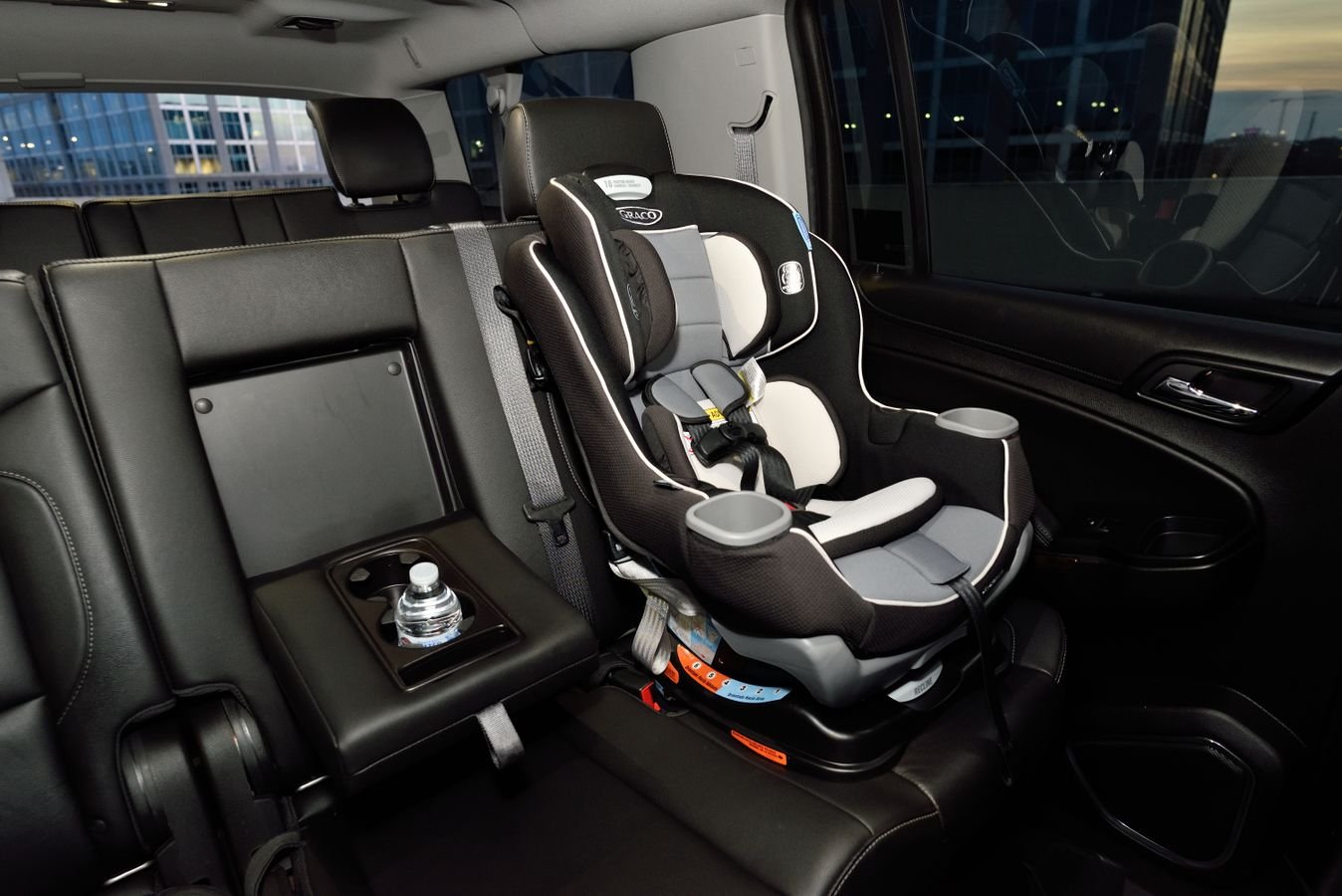
Renting one from the car rental counter instead costs real money. The majors (Alamo, Avis, Budget, Enterprise, Hertz, National) charge a daily fee for a child seat, and Alamo’s own FAQ says the rate is shown on your reservation, so check the add-on price for your pickup location when you book. For a week-long trip, that’s a real cost difference against flying with a seat you already own and know how to install.
The tradeoff isn’t just money: a rental counter’s car seat is one more thing you’re trusting to be actually properly rated and not worn out, versus a seat you already know is correctly installed for your specific child. If you’re flying with checked luggage anyway, bringing your own is usually both cheaper and more certain.
Reserve it either way
If you do want to rent a car seat from the counter, reserve it when you book the car, not when you arrive. Rental locations carry a limited number and they can run out during peak weeks, leaving you without one at pickup.
- This law is not specific to any one island: it’s a state law, so it applies the same whether you’re picking up in Honolulu, Kahului, Lihue, or Kona.
- Uber and Lyft in Hawaii do not provide car seats in standard rides, and drivers are not required to have one, worth knowing if your plan involves any rideshare legs alongside your rental.
- Taxis and rideshare are exempt: the statute exempts commercial vehicles, defined as vehicles carrying people for hire. That is a legal exemption, not a safety one, so a portable seat is still worth packing for those legs. Your own rental car is not exempt.
Picking up your rental first? See the airport guide for your island: Honolulu, Kahului, Lihue, or Kona.
Traveling without kids on part of the trip? See the Hawaii open container law guide: a different rental-specific rule worth knowing.
For the exact current statute text, see Hawaii DOT’s Child Passenger Safety page.
Compare rental rates for your trip →
Researched and written by Neo Pecorro. Facts on this page were checked against Hawaii DOT, plus the other sources linked above. Hawaii rules change often, so confirm on the official page before you go.
Last updated: September 11, 2026.