
This post contains affiliate links. If you book a rental through one, I may earn a commission at no extra cost to you.
Short answer: No one in the car can drink or hold an opened container on a public road. The driver faces up to a $2,000 fine or 30 days in jail. Keep opened bottles in the trunk.
Hawaii’s open container law is specifically about vehicles and scenic lookouts. It’s not a general “no drinking in public” statute the way some people assume. Here’s exactly what it covers and where a rental gets you into more trouble than you’d expect.
The rule for anyone inside the car
Under Hawaii law (HRS §291-3.2), no one riding as a passenger may drink alcohol, or possess an opened bottle or can of it, while the vehicle is on a public street, road, or highway. That section covers passengers. The driver has a section of their own, HRS §291-3.1, which bans drinking or having an opened container while driving and carries a fine of up to $2,000, up to 30 days in jail, or both.
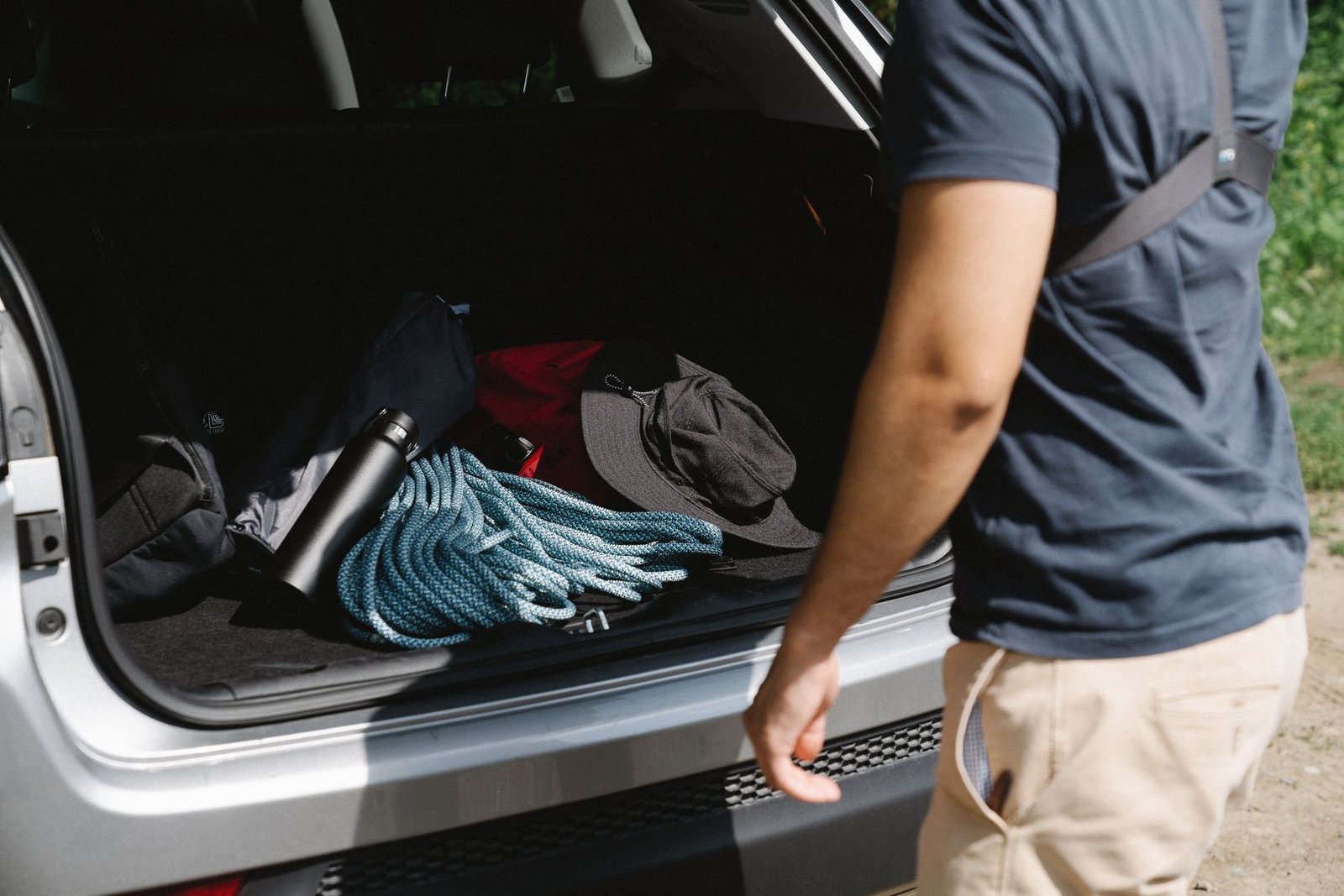
Separately, HRS §291-3.3 covers where an opened container has to be stored: in the trunk, or, if the vehicle has no trunk, somewhere not normally occupied by the driver or any passenger. The statute is explicit that a glove compartment or utility compartment does not qualify as an allowed storage spot, even though it’s easy to assume it would.
Why this catches renters off guard specifically
The compact and economy classes common in rental fleets often have less separated trunk space than what people are used to at home, and some body styles (hatchbacks, small SUVs with a fold-flat rear) don’t have a true separate trunk compartment at all. The statute says its storage rule doesn’t apply to a vehicle without a separate trunk compartment, but that doesn’t make an opened bottle in the cabin legal: the driver and passenger sections still apply. If you’re doing a beach day with a cooler or picking up drinks on the way to a sunset spot, know your specific rental’s layout before an opened bottle ends up in the door pocket or glove box, which is exactly the kind of spot the law says doesn’t count.
The scenic lookout rule
The same statute (HRS §291-3.3(b)) separately bans drinking alcohol at any scenic lookout, regardless of whether it’s in the vehicle or not. This matters in Hawaii specifically because so much of the classic drive (the Road to Hana, the Kalalau Lookout, the North Shore) is built around pull-off scenic viewpoints, which is exactly where this rule applies.
- This is a state law, not an island-specific one: it applies the same whether you’re on Oahu, Maui, Kauai, or the Big Island.
- An unopened, sealed container is not a violation even sitting in the passenger area. Both statutes are specifically about containers that have been opened or have a broken seal.
- The two offenses carry different weight: violating the passenger consumption/possession rule (§291-3.2) is classified as a petty misdemeanor, while violating the storage/scenic-lookout rule (§291-3.3) is classified as a violation, Hawaii’s lower, non-criminal offense tier. Exact fine amounts depend on the specific charge and circumstances; don’t rely on a number you saw somewhere else without checking it against the current citation.
- This is separate from a DUI charge: you can be cited for an open-container violation even if no one has had a drink to the point of impairment; actual impaired driving is charged separately and far more seriously.
Picking up your rental first? See the airport guide for your island: Honolulu, Kahului, Lihue, or Kona.
Traveling with kids too? See the Hawaii car seat law guide: a different statute, same rental-specific angle.
For the exact current statute text, see Hawaii Revised Statutes §291-3.2 and §291-3.3 via Justia Law.
Compare rental rates for your trip →
Photo: Katya Wolf on Pexels.
Researched and written by Neo Pecorro. Facts on this page were checked against the Hawaii Revised Statutes, plus the other sources linked above. Hawaii rules change often, so confirm on the official page before you go.
Last updated: September 11, 2026.